Neuroscience Courses
Neuroscience courses can help you learn brain anatomy, neural signaling, cognitive functions, and the biological basis of behavior. You can build skills in experimental design, data analysis, and critical thinking through hands-on projects and case studies. Many courses introduce tools like EEG, fMRI, and software for statistical analysis, that support conducting research and interpreting findings in both clinical and experimental settings.
Popular Neuroscience Courses and Certifications
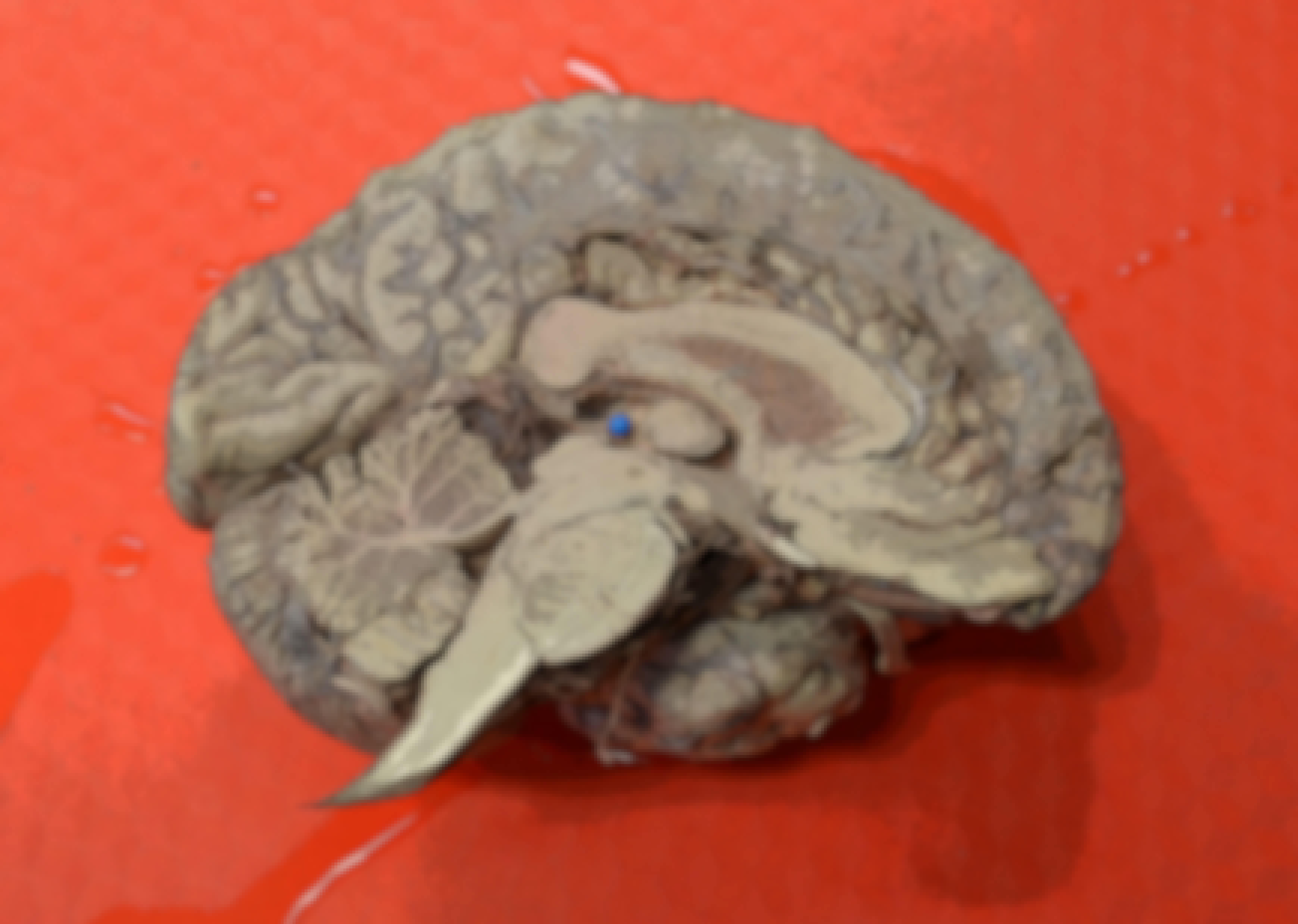 Status: Preview
The University of Chicago
Skills you'll gain: Neurology, Physiology, Anatomy, Behavioral Health, Mental and Behavioral Health, Mental Health Diseases and Disorders, Vital Signs, Control Systems, Coordination, Biology, Communication Systems
 Status: Preview
Duke University
Skills you'll gain: Neurology, Physiology, Anatomy, Cell Biology, Psychology, Pathology, Molecular Biology
 Status: Free Trial
Johns Hopkins University
Skills you'll gain: Marketing Psychology, Case Studies, Persuasive Communication, Advertising, Consumer Behaviour, Decision Making, Marketing Effectiveness, Neurology, Behavioral Economics, Marketing, Psychology, Anatomy
 Status: Free Trial
Johns Hopkins University
Skills you'll gain: Magnetic Resonance Imaging, Neurology, Medical Imaging, Diagnostic Radiology, Anatomy, Radiology, Image Analysis, Data Analysis, X-Ray Computed Tomography, Data Manipulation, Analytical Skills, Experimentation, Statistical Analysis, Biomedical Technology, Advanced Analytics, Network Analysis, R Programming, Data Processing, Research Design, Statistics
 Status: Free Trial
Johns Hopkins University
Skills you'll gain: Magnetic Resonance Imaging, Neurology, Medical Imaging, Diagnostic Radiology, Anatomy, Radiology, X-Ray Computed Tomography, Experimentation, Research Design, Biomedical Technology, Image Analysis, Physiology, Medical Terminology
 Status: NewStatus: Free Trial
University of Cambridge
Skills you'll gain: Human Learning, Child Development, Psychology, Empathy & Emotional Intelligence, Teaching, Decision Making, Learning Theory, Instructional Strategies, Pedagogy, Learning Strategies, Developmental Disabilities, Empathy, Working With Children, Neurology, Magnetic Resonance Imaging, Disabilities, Autism Spectrum Disorders, Medical Imaging, Electrophysiology, Human Development
What brings you to Coursera today?
 Status: Preview
University of Washington
Skills you'll gain: Machine Learning Methods, Supervised Learning, Network Model, Matlab, Artificial Neural Networks, Machine Learning Algorithms, Neurology, Computer Science, Reinforcement Learning, Computational Thinking, Mathematical Modeling, Physiology, Recurrent Neural Networks (RNNs), Biology, Linear Algebra, Probability Distribution
 Status: Free Trial
University of Michigan
Skills you'll gain: Anatomy, Neurology, Physiology, Medical Terminology
 Status: Preview
Yale University
Skills you'll gain: Psychology, Child Development, Psychiatry, Mental Health, Human Development, Human Learning, Social Sciences, Behavioral Health, Sociology, Neurology, Critical Thinking, Scientific Methods, Problem Solving
 Status: Free Trial
University of Colorado Boulder
Skills you'll gain: Organizational Leadership, Team Motivation, Diversity and Inclusion, Innovation, Team Leadership, Initiative and Leadership, Personal Development, Leadership, Resilience, Team Management, Team Performance Management, Industrial and Organizational Psychology, Business Leadership, Leadership and Management, Decision Making, Self-Awareness, Coaching, Change Management, Psychology, Storytelling
 Status: Free
Utrecht University
Skills you'll gain: Child Development, Human Development, Empathy & Emotional Intelligence, Speech Language Pathology, Systems Thinking, Pediatrics, Research, Neurology, Cultural Diversity
 Status: Preview
Copenhagen Business School
Skills you'll gain: Consumer Behaviour, Marketing Psychology, Decision Making, Brand Management, Human Learning, Customer Insights, Market Research, Business Ethics, Marketing, Advertising, Ethical Standards And Conduct, Psychology, Data Collection
Searches related to neuroscience
In summary, here are 10 of our most popular neuroscience courses
- Understanding the Brain: The Neurobiology of Everyday Life: The University of Chicago
- Medical Neuroscience: Duke University
- Foundations of Neuroscience: Johns Hopkins University
- Neuroscience and Neuroimaging: Johns Hopkins University
- Fundamental Neuroscience for Neuroimaging: Johns Hopkins University
- The science of mind and decision making: University of Cambridge
- Computational Neuroscience: University of Washington
- Anatomy: Human Neuroanatomy: University of Michigan
- Introduction to Psychology : Yale University
- Neuroscience of Leadership: Leading with Your Brain: University of Colorado Boulder










