Music Courses
Music courses can help you learn music theory, composition techniques, audio production, and performance skills. You can build competencies in songwriting, arranging, and using digital audio workstations. Many courses introduce tools like MIDI software, recording equipment, and notation programs, allowing you to apply your skills in creating and producing music across various genres.
Popular Music Courses and Certifications
 Status: Preview
The University of Edinburgh
Skills you'll gain: Music Theory, Music, Classical Music, Musical Composition
 Status: Free Trial
Berklee
Skills you'll gain: Music, Musical Composition, Post-Production, Peer Review, Media Production, Music Performance, Creativity, Instrumental Music, Automation, Editing, File Management, Digital Signal Processing, Writing, Timelines, Electronic Media, System Configuration, Technology Solutions
 Status: Free Trial
Skills you'll gain: Music Theory, Musical Composition, Music, File Management, Storytelling, Instrumental Music, Music Performance, Media Production, Automation, Editing, Technical Support, Writing, Creativity
 Status: Free Trial
Berklee
Skills you'll gain: Music, Musical Composition, Peer Review, Media Production, Writing, Technology Solutions
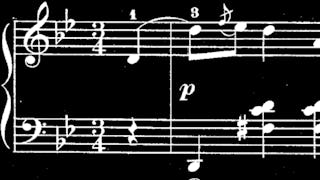
Michigan State University
Skills you'll gain: Music Theory, Music, Musical Composition, Classical Music
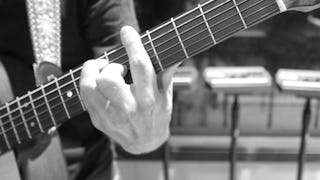 Status: Free Trial
Berklee
Skills you'll gain: Music Theory, Music, Musical Composition, Music Performance, Instrumental Music, Creativity, Coordination, Mental Concentration
What brings you to Coursera today?
 Status: Free Trial
Berklee
Skills you'll gain: Musical Composition, Music Theory, Music, Peer Review, Music Performance, Instrumental Music, Creativity
 Status: Free Trial
Skills you'll gain: Musical Composition, Music Theory, Music, Peer Review, Music Performance, Post-Production, Storytelling, Media Production, Editing, Organizational Skills, Writing, Technology Solutions
 Status: Preview
Yale University
Skills you'll gain: Classical Music, Music History, Music, Music Theory, Instrumental Music, Musical Composition, Art History
 Status: Free Trial
Berklee
Skills you'll gain: Musical Composition, Music Performance, Music, Media Production, Music Theory, Instrumental Music, File Management, Performing Arts, Post-Production, Creativity, Digital Signal Processing, Electronic Media, Editing, Design Software, Peer Review, Automation, Patch Management, Technical Support, System Configuration, System Requirements
 Status: Free Trial
Berklee
Skills you'll gain: Intellectual Property, Entrepreneurship, Music History, Contract Negotiation, Fundraising and Crowdsourcing, Creativity, Team Building, Creative Thinking, Presentations, Innovation, Brand Strategy, Professional Networking, Lawsuits, Self-Starter, Music, Branding, Open Mindset, Revenue Management, Social Media, Business
 Status: NewStatus: Preview
Skills you'll gain: Music, Empathy & Emotional Intelligence, Culture, Psychology, Neurology, Anatomy, Science and Research
In summary, here are 10 of our most popular music courses
- Fundamentals of Music Theory: The University of Edinburgh
- Music Production: Berklee
- Songwriting: Writing, Arranging, and Producing Music: Berklee
- The Art of Music Production: Berklee
- Getting Started With Music Theory: Michigan State University
- How to Play Guitar: Berklee
- Developing Your Musicianship: Berklee
- Writing and Producing Music in Your Home Studio: Berklee
- Introduction to Classical Music: Yale University
- Electronic Music Production: Berklee










