Art Courses
Art courses can help you learn techniques in drawing, painting, sculpture, and digital design. You can build skills in color theory, composition, and visual storytelling, along with understanding art history and contemporary practices. Many courses introduce tools like Adobe Creative Suite, Procreate, and traditional media, showing how these skills come together in creating compelling artwork.
Popular Art Courses and Certifications
 Status: Free Trial
The Museum of Modern Art
Skills you'll gain: Art History, Performing Arts, Photography, Liberal Arts, Aesthetics, Creativity, Electronic Media, Culture, Cultural Diversity, Media and Communications, Public History, Design, Content Creation, Storytelling, Social Impact, Multimedia, Social Justice, Photo/Video Production and Technology, Sustainability Standards, Research
 Status: NewStatus: Free Trial
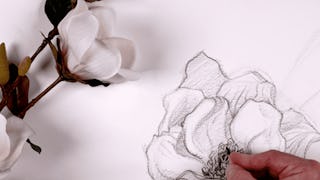
Skillshare
Skills you'll gain: Technical Drawing, Growth Mindedness, Lifelong Learning, Goal Setting, Personal Development, Design Elements And Principles, Graphical Tools, Creativity
 Status: Free Trial
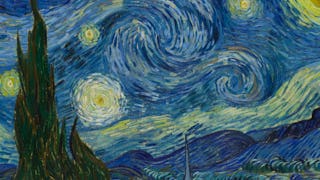
The Museum of Modern Art
Skills you'll gain: Art History, Liberal Arts, Aesthetics, Creativity, Cultural Diversity, Storytelling, Social Impact, Design
 Status: Free Trial
California Institute of the Arts
Skills you'll gain: Typography, Design Elements And Principles, Graphic Design, Graphic and Visual Design Software, Design, Logo Design, Digital Design, Graphic and Visual Design, Color Theory, Photo Editing, Adobe InDesign, Image Quality, Style Guides, Branding, Art History, Layout Design, Design Research, Visual Design, Design Strategies, Adobe Illustrator
 Status: Preview
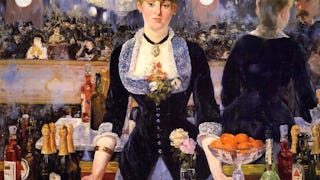
Wesleyan University
Skills you'll gain: Aesthetics, Art History, European History, Liberal Arts, World History, Culture, Socioeconomics, Political Sciences, Sociology
 Status: Free Trial
The Museum of Modern Art
Skills you'll gain: Design Thinking, Art History, Liberal Arts, Lesson Planning, Literacy, Creative Thinking, Aesthetics, Learning Styles, Teaching, Learning Strategies, Social Studies, Empathy, Instructing, Emotional Intelligence, Creativity, Instructional Strategies, Student Engagement, Classroom Management, Curriculum Planning, Self-Awareness
What brings you to Coursera today?
 Status: Preview
The Museum of Modern Art
Skills you'll gain: Self-Awareness, Positivity, Creativity, Personal Development, Empathy, Optimism, Mindfulness, Resilience, Emotional Intelligence, Curiosity, Stress Management
 Status: Free Trial
Berklee
Skills you'll gain: Music, Musical Composition, Peer Review, Media Production, Writing, Technology Solutions
 Status: Preview
University of Florida
Skills you'll gain: Journals, Music, Performing Arts, Mindfulness, Empowerment, Storytelling, Personal Development, Liberal Arts, Self-Awareness, Emotional Intelligence, Writing
 Status: Preview
IESE Business School
Skills you'll gain: Storytelling, Public Speaking, Oral Expression, Presentations, Verbal Communication Skills, Persuasive Communication, Content Creation, Drive Engagement, Writing, Non-Verbal Communication, Active Listening
 Status: Free Trial
The Museum of Modern Art
Skills you'll gain: Performing Arts, Art History, Electronic Media, Aesthetics, Creativity, Design, Liberal Arts, Content Creation, Multimedia, Photo/Video Production and Technology, Social Justice

Skills you'll gain: Canva (Software), Design, Digital Design, Design Elements And Principles, Product Design, Color Theory, Graphic Design, Intellectual Property, Product Promotion, E-Commerce, Digital Assets, Marketing, Marketing Collateral
In summary, here are 10 of our most popular art courses
- Modern and Contemporary Art and Design: The Museum of Modern Art
- Learn to Draw: Skillshare
- Modern Art & Ideas: The Museum of Modern Art
- Graphic Design: California Institute of the Arts
- The Modern and the Postmodern (Part 1): Wesleyan University
- Teaching with Art: Using Inquiry, Activities, and Themes: The Museum of Modern Art
- Artful Practices for Well-Being: The Museum of Modern Art
- The Art of Music Production: Berklee
- Healing with the Arts: University of Florida
- The Art of Storytelling: IESE Business School










